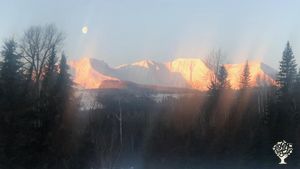
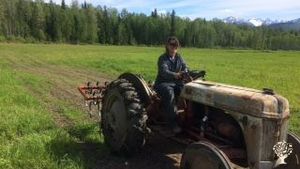
This is an old time, beyond organic farm, where we grow, build, and repair everything we need. I am most passionate about teaching young people to grow and preserve food and build structures using traditional methods. See the Opportunity—Current Projects section for a detailed description of the many sustaining activities here.
Organic methods: No herbicides or pesticides of any kind. The soil on this former wetland is naturally rich, and we sometimes supplement with soil from the surrounding forests, and manure from our own horses. Crop rotation, tilling, and weeding is all we need for our many crops to thrive naturally here.
Certifications: We have not made the expenditure for organic certification, but our standards are beyond organic
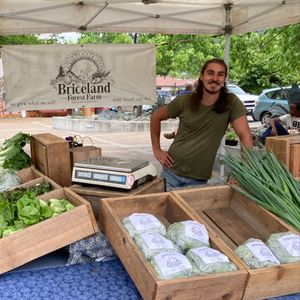
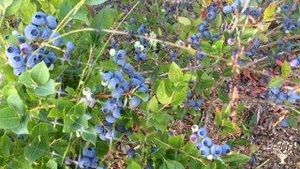
Current projects: We grow many types of vegetables and fruits. Our main crop is potatoes, and we sell these at the local farmers market and in the surrounding towns. We also grow garlic, beets, carrots, cabbage, zucchini, squash, onions, lettuce, kale, peas, broccoli, tomatoes, currants, haskap, blueberries, and strawberries.
Additionally, we produce up to 500 bales of hay most years, and 150lbs of honey.
Every spring we make birch syrup from our trees using a wood fire and traditional methods, and this is an involved multi-week process.
We also harvest, preserve, and sell wild foods such as chaga, fiddleheads, stinging nettle, and rose.
Outside the growing season, there is always work to be done in the woodshop and repairing machines. We have an ethos of conserving and reusing, and as a result we generate almost zero waste. Wwoofers will often be involved in harvesting standing dead timbers, operating the sawmill, and learning timber framing techniques in order to build cabins, tree stands, and other structures.
We spend many long afternoons fishing and camping at nearby lakes, and in the fall we are often out in the bush hunting moose, grouse, and sometimes bears and goats. Winters are devoted to backcountry skiing, snowmobiling, and building shelters in the surrounding mountains.
Accommodations are rustic. We cook on wood stoves, take daily saunas, and wash in private areas of the creek that is ever flowing through the middle of the property.
There is always something to do here for active people who want to learn new skills and push their limits.
Internet access available
Read more
Learning opportunities
Vegetable farming
Fruit or nut farming
Grain farming
Forestry
Beekeeping
Wild foraging
Aromatic or medicinal plants, teas
Vegetable or fruit preservation
Traditional crafts
Food justice / sovereignty
Host type
Production farm
132.7
Hectares
|
328
Acres